As more of us embrace eco-friendly choices in our daily lives, many pet parents are wondering: Can my furry friend thrive on a plant-based diet too? If you’re curious about reducing your pet’s environmental pawprint while ensuring they remain happy and healthy, you’re in the right place. This guide will walk you through everything you need to know about plant-based diets for pets, with both their well-being and our planet in mind.
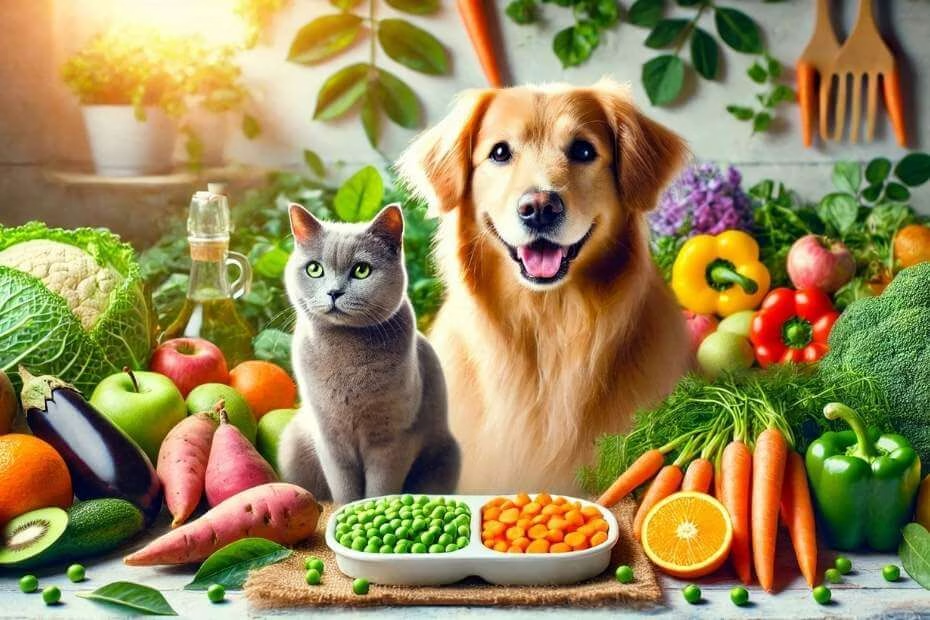
What Does “Plant-Based” Mean for Our Pets?
When we talk about plant-based diets for pets, we’re referring to food that primarily or exclusively comes from plant sources rather than animal products. There’s actually a spectrum here:
- Flexitarian pet diets: Reducing animal products while still including some meat.
- Vegetarian pet diets: Eliminating meat but possibly including animal derivatives like eggs or dairy.
- Vegan pet diets: Excluding all animal products entirely.
Many commercial plant-based pet foods now available are thoughtfully formulated with supplemented nutrients to help meet your pet’s needs. Some pet parents also prepare homemade plant-based meals, though this requires careful planning and usually nutritional supplements.
Dogs vs. Cats: Important Biological Differences
Let’s address the elephant in the room: dogs and cats have different nutritional needs when it comes to plant-based diets.
Dogs

Dogs, like us, are omnivores. Their digestive systems have evolved over thousands of years alongside humans to process various foods, including plants. While ancestral wolves were primarily carnivores, our modern canine companions can synthesize certain nutrients that wolves typically get only from meat.
Cats

Cats are obligate carnivores, meaning their bodies are designed to derive nutrition primarily from animal tissue. They have specific requirements for nutrients like taurine, arachidonic acid, and vitamin A in forms that are naturally found in animal products. Without these essential nutrients, cats can develop serious health problems over time.
This doesn’t mean plant-based diets are impossible for cats, but they do require extremely careful formulation with synthetic supplements to meet all their needs. Working with a veterinary nutritionist becomes essential when considering a plant-based diet for cats.
Benefits of Plant-Based Pet Diets
For many pet parents, the decision to explore plant-based options comes from a place of compassion and environmental consciousness. Some potential benefits include:
For the planet:
- Reduced carbon pawprint through lower meat consumption.
- Decreased water usage compared to meat-based pet foods.
- Less land required for food production.
For your pet:
- Potential allergy management for pets with specific meat protein sensitivities.
- Possible improvement in certain skin conditions.
- Often includes a broader variety of plant nutrients and antioxidants.
For your peace of mind:
- Alignment with your household’s ethical values.
- Participation in sustainable practices throughout all aspects of pet care.
Many pet parents report their dogs have maintained healthy, active lives on properly formulated plant-based diets, with shiny coats and good energy levels. However, individual results vary, and monitoring your pet’s health is crucial.
Starting Your Pet’s Plant-Based Journey: Practical First Steps
If you’re considering transitioning your pet to a more plant-focused diet, here’s how to begin compassionately and safely:
- Consult your veterinarian first. Before making any dietary changes, schedule a check-up to discuss your pet’s specific health needs and whether a plant-based diet would be appropriate.
- Start with a trusted commercial formula. For beginners, veterinary-formulated commercial plant-based pet foods offer the safest option, designed to provide complete nutrition.
- Transition gradually. Mix increasing amounts of the plant-based food with your pet’s current food over 7-10 days. This gentle approach helps prevent digestive upset.
- Monitor closely. During the transition period, keep a journal of your pet’s energy levels, coat condition, stool quality, and overall well-being.
- Schedule follow-up testing. After 3-6 months on the new diet, have your veterinarian run bloodwork to ensure your pet maintains proper nutrition.

Our Favorite Eco-Friendly Plant-Based Pet Products
The sustainable, plant-based pet food market has grown tremendously in recent years. Here are some options worth exploring:
For Dogs:
- Wild Earth (contains all essential amino acids with clean protein from yeast)
- V-Dog (one of the longest-established vegan dog food brands)
- Halo Garden of Vegan (available in both wet and dry formulations)
For Cats:
- Ami Cat (formulated with added taurine and other essential nutrients)
- Benevo Cat (includes algae-derived DHA for brain health)
Supplements to Consider:
- VegeDog supplements (specifically formulated to complement homemade plant-based diets)
- Algae-based omega-3 supplements (plant alternative to fish oil)
When selecting products, look for brands that conduct feeding trials, employ veterinary nutritionists on their formulation teams, and provide complete nutrient profiles.
Common Concerns Addressed
Will my pet get enough protein?
Plant proteins can provide all essential amino acids when properly combined and supplemented. Commercial plant-based pet foods typically use concentrated protein sources like peas, lentils, and nutritional yeast to meet protein requirements.
What about essential nutrients typically found in meat?
Modern plant-based pet foods include synthetic versions of nutrients like taurine (crucial for cats), L-carnitine, and vitamin D3. These supplements ensure your pet receives complete nutrition regardless of the protein source.
Is it natural for pets to eat plant-based?
While ancestral dogs and cats were primarily meat-eaters, our domestic companions have evolved alongside humans for thousands of years. Many dogs can thrive on properly formulated plant-based diets, though cats require more careful nutritional management because of their obligate carnivore status.
How will I know if it’s working for my pet?
A thriving pet will maintain a healthy weight, have good energy levels, produce normal stools, and display a shiny coat and clear eyes. Regular veterinary check-ups with appropriate bloodwork can confirm that your pet is receiving adequate nutrition.
When Plant-Based Might Not Be the Right Choice
While many pets can thrive on plant-based diets, certain situations call for caution:
- Growing puppies and kittens have specific developmental needs.
- Senior pets with health conditions may require specialized nutrition.
- Cats with certain health issues may need specific amino acid profiles.
- Pets with multiple food sensitivities might have limited plant protein options.
In these cases, working with a veterinary nutritionist becomes even more important to create an appropriate feeding plan that balances ethical concerns with your pet’s specific health requirements.
The Bigger Picture: Eco-Friendly Pet Parenting Beyond Diet
If you’re not ready to transition your pet to an entirely plant-based diet, there are still many ways to reduce your pet’s environmental impact:
- Choose sustainably-sourced meat-based foods with responsible ingredients.
- Opt for insect-based protein treats, which have a significantly lower ecological footprint than traditional meat.
- Purchase pet supplies made from recycled or sustainable materials.
- Use biodegradable waste bags and natural litter.
- Support pet food companies with carbon-neutral commitments.
Remember, even small changes in your pet care routine can contribute to a healthier planet when multiplied across millions of pet households.

Moving Forward with Compassion
Whether you transition your pet to an entirely plant-based diet or incorporate more eco-friendly choices into your pet care routine, approaching these decisions with informed compassion benefits everyone—your pet, the planet, and your peace of mind.
The most important thing is to stay connected with your veterinarian, remain observant of your pet’s well-being, and adjust as needed. Every pet is an individual with unique needs, just like us.
By thoughtfully considering your pet’s nutrition while honoring your environmental values, you contribute to a more sustainable future for all creatures, big and small, two-legged and four-legged alike.
The Environmental Upside
Switching to a plant-based diet is a win for the environment. Commercial pet foods have a hefty environmental footprint, contributing to greenhouse gas emissions and other environmental issues. If you want to explore this further, check out our article on the ecological impact of commercial pet foods.

This article is meant to be informational and should not replace professional veterinary advice. Always consult a qualified veterinarian before significantly changing your pet’s diet.